
Summary
Learn the cost to refinish hardwood floors, including prices per square foot, repairs, stain, finish options, and factors affecting your final quote.
With daily wear and tear rearing its head on your hardwoods, it’s easy to assume your floors need replacing. However, we’ve walked into many Central Ohio homes where, at first glance, the floors looked beyond saving. Once we inspected the wood more closely, we found that the damage was mostly in the finish—not the floorboards themselves. This guide gives you realistic ranges on the cost to refinish hardwood floors, so you can reawaken the feeling of home (and save money in the long run!).
Is Refinishing Your Hardwood Floors Worth the Cost?
A thorough refinishing can be just the TLC your hardwoods need to bring warmth back into your home. Plus, working with what you already have reduces your long-term costs and preserves the character of your hardwoods, a loved feature of older Columbus homes.
As you plan your project, remember that what’s possible depends on the condition of your existing floorboards (beneath the damaged finish).
How Much Does It Cost to Refinish Hardwood Floors?
For all projects, a professional estimate should be based on an in-person inspection. According to national planning figures, the average cost to refinish hardwood floors in Columbus is generally $3 to $8 per square foot, or roughly $1,100 to $2,700 for many residential projects.
Your total can be higher if the floor needs repairs, includes stairs, has a complex layout, requires a major stain change, or uses a premium finish. In Columbus, pricing specifically depends on labor, scope, condition, and finish selections. For small rooms, minimum project charges may apply.
Hardwood Floor Refinishing Cost per Square Foot
| Floor Area | Estimated Cost at $3–$8 Per Sq. Ft. |
| 250 square feet | $750–$2,000 |
| 500 square feet | $1,500–$4,000 |
| 750 square feet | $2,250–$6,000 |
| 1,000 square feet | $3,000–$8,000 |
| 1,500 square feet | $4,500–$12,000 |
| 2,000 square feet | $6,000–$16,000 |
Smaller jobs may cost more per square foot because of minimum labor and equipment costs, and larger, open spaces may be more efficient to complete than several separate rooms. If you’re working with stairs, closets, tight corners, thresholds, and detailed trim, you will likely see an increase in labor costs. But remember, these costs are a planning tool, not a quote (which we would be happy to provide!).
What Is Included in Hardwood Floor Refinishing?
A standard professional project generally includes:
- Site inspection with furniture and room preparation expectations, including removing or protecting shoe molding.
- Sanding edges and corners, along with the existing finish.
- Minor filling or patching, dust removal, and optional stain application.
- Multiple finish coats and drying or curing time with a complete final inspection.
Certain aspects of your refinish may be priced differently, including:
- Moving heavy furniture or removing carpet or other flooring.
- Replacing damaged boards or repairing pet stains.
- Subfloor work, stair refinishing, baseboard replacement, and extensive color matching.
- Temporary lodging or storage during the project.
What Factors Affect the Cost to Refinish Hardwood Floors?
These ten factors primarily determine your wood floor refinishing cost.
1. Total Square Footage
Your project size determines the amount of materials needed and your labor costs, since larger projects typically take longer. With lower labor costs, smaller projects will generally carry minimum charges.
2. Condition of the Floor
If your floors are showing simple, light surface wear, you’ll often see a lower cost than projects with deep scratches, gouges, pet stains, or water damage. Things like cupping, loose boards, and large gaps also increase costs.
3. Repairs and Board Replacement
If your project calls for repairs, they are often priced separately because they require specialized tools and materials. This is also why board replacements cost more, as matching older wood can lead to longer labor hours and greater material costs.
4. Type and Thickness of the Wood
Different wood styles call for different levels of love. We’ve found that solid hardwoods are easiest to work with, while engineered hardwood projects cost more, since not every engineered floor can be sanded. Other wood types like Oak, Maple, Pine, and historic flooring usually require more care and add labor costs.
5. Existing Finish
Older coatings or wax, paint, adhesive, aluminum oxide finishes, or multiple layers occasionally require extra preparation, adding to the cost.
6. Stain Selection
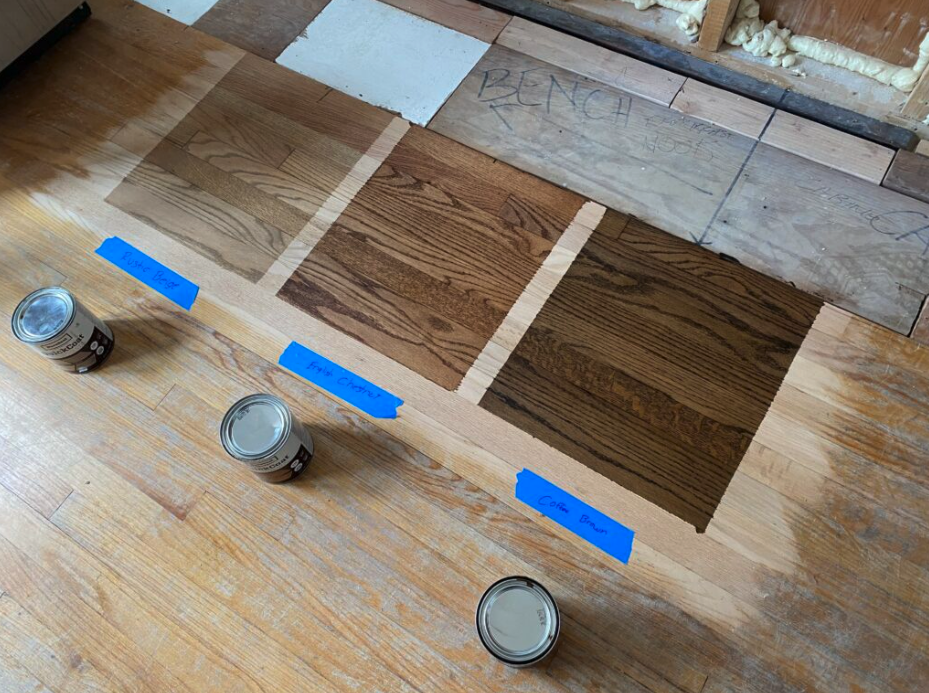
The cost to stain hardwood floors fluctuates. Darker stains often highlight scratches and wear from daily life, so they usually require more precise sanding and preparation than lighter stains, making them more costly.
7. Finish Type
Common finish options include water-based polyurethane, oil-based polyurethane, hard-wax oil, and commercial-grade finish systems. However, they all vary in price and application method (More on that later!).
8. Traditional vs Dust-Containment Sanding
Some projects extend the effort to give you “dustless” sanding at an added cost. This doesn’t mean that there will be a complete absence of dust. Instead, professional dust-containment equipment will be used.
9. Stairs and Detailed Areas
Stair treads, risers, rail transitions, closets, corners, and custom borders all require extra preparation, protection, or labor, which can add to your overall price.
10. Accessibility and Project Logistics
Finally, as your contracting team works, furniture, room access, parking, and pet considerations all factor into cost. If your home is occupied during the project, or work is needed around adjacent rooms, that may also impact your budget.
Cost to Refinish Hardwood Floors by Project Type
The National Wood Flooring Association states that dull floors can sometimes be renewed through recoating, while deep scratches, dents, and damage may call for a complete sand and refinish.
| Project Scope | Project Type | Cost Range – Columbus, OH |
|---|---|---|
| One Bedroom: | Screen and Recoat:
Sand and Refinish: Sand, Stain, and Refinish: |
$300 – $600
$600 – $1,000 $850 – $1,400 |
| Living Room: | Screen and Recoat:
Sand and Refinish: Sand, Stain, and Refinish: |
$450 – $1,200
$1,200 – $2,250 $1,500 – $3,000 |
| First Floor: | Screen and Recoat:
Sand and Refinish: Sand, Stain, and Refinish: |
$1,050 – $3,000
$2,800 – $5,000 $3,500 – $7,000 |
| Whole House: | Screen and Recoat:
Sand and Refinish: Sand, Stain, and Refinish: |
$2,250 – $6,000
$6,000 – $12,000 $7,500 – $16,000+ |
| Hardwood Stairs: | Screen and Recoat:
Repair and Refinish: |
$200 – $450
$1,100 – $2,500 |
Screen and Recoat vs Full Hardwood Floor Refinishing
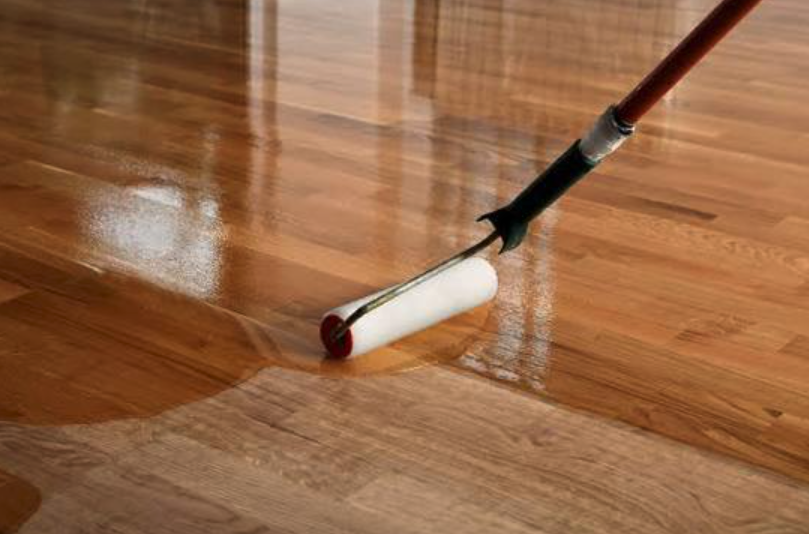
Every hardwood refinishing project faces different damage, different materials, and different depths.
What Is a Screen and Recoat?
To screen and recoat hardwood floors, there is a light abrasion of the existing finish and an application of a new finish coat. These projects are best for dullness and light surface wear, as they don’t remove deep scratches, stains, or discoloration.
What Is Full Refinishing?
More damaged floors call for full refinishing, where the existing finish is sanded away, and the surface is restored to bare wood. Often, repairs are completed, and an optional new stain is applied before a new protective finish.
Cost Difference
Recoats are less intensive projects, so they are often less expensive than the cost to sand and refinish hardwood floors, which may involve extensive repairs and stains.
Cost to Refinish vs Replace Hardwood Floors
Refinishing makes sense when your floorboards are structurally sound. Replacement may be more appropriate when your floors are too thin, extensively damaged, or improperly installed. Working with engineered hardwood requires an inspection of the wear layer, and for historic floors, we always recommend careful evaluation before removal.
| Consideration | Refinish | Replace |
|---|---|---|
| Typical cost: | Lower | Higher |
| Existing floor retained: | Yes | No |
| Deep structural damage addressed: | Limited | Yes |
| Color can change: | Usually | Yes |
| Project disruption: | Moderate | Greater |
| Best for: | Sound floors with surface wear | Severely damaged or unsuitable floors |
How Much Do Different Hardwood Floor Finishes Cost?
At Premier Remodeling, we often help homeowners weigh more than appearance. We know drying time, pets, children, ventilation, maintenance, and how quickly rooms need to be usable all matter.
Water-Based Polyurethane
Water-based polyurethane is one of the most common finish selections. With a clearer appearance, faster drying, and lower odor, this finish often lets you return to your home quickly.
Oil-Based Polyurethane
More budget-friendly, oil-based polyurethane finishes your floor with a gentle amber tone. These finishes often cost less in materials, but they also cost time with longer drying hours, stronger odors, and more project disruption.
Hard-Wax Oil
For a more natural appearance, hard-wax oil finishes give your floors all they need to shine. These finishes are more expensive and require specialized maintenance, but they also apply in fewer coats (with both premium and more affordable options available!).
How Much Do Hardwood Floor Repairs Add?
Minor repairs can add a few hundred to your total project cost, while intense repairs can add upwards of $2,000. We often see minor damage like water-damaged boards, deep gouges, and loose or squeaking boards.
Pet urine stains are also common, but sanding alone can’t remove all stains, so these repairs may be costly. Other issues, such as gaps, missing sections, floor transitions, matching wood replacements, and subfloor concerns, are rarer but can add a large sum to your project cost.
How Long Does It Take to Refinish Hardwood Floors?
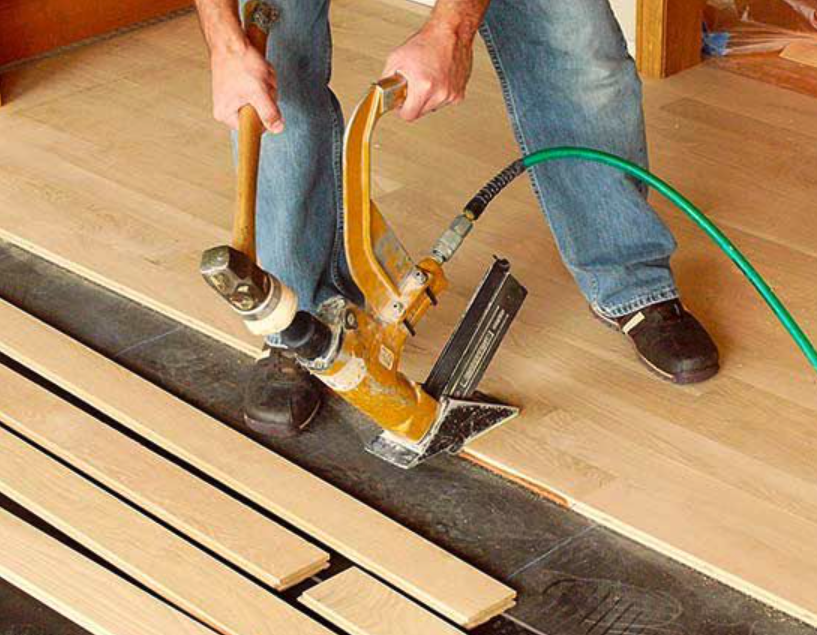
We find that professional finishing takes between three to five days, but finish selections, stain drying, repairs, and square footage may increase the timeline.
Day 1
Day one is full of room preparation. Household items are removed, and the initial sanding and edge work are completed.
Day 2
The final sanding is completed on day two. Any needed repairs are addressed, and if you have chosen a new stain, it is applied.
Days 3–5
The last days of the project involve applying the new finish coats and allowing the space to fully set between applications. You may need to stay off the floor for two to four days, depending on the finish (water-based finishes set quicker than oil-based).
After Completion
After your hardwoods are fully set, keep foot traffic light, and return light furniture only after 24 hours. Your floor will fully cure in 7-14 days (for water-based finishes) and 14-30 days (for oil-based finishes), at which point you can return or add rugs to the space.
We know it can be tough, but waiting the appropriate amount of time helps keep your floors in their best condition!
Can You Stay in Your Home While Floors Are Being Refinished?
To be fully transparent, it depends on your project. Consider which rooms are involved and the accessibility of different areas, as well as the odor and ventilation of the project, especially with kids or furry friends in the home. This often depends on the finish type.
Above all, we encourage you to think beyond where the work is happening. If the refinished area separates the bedrooms from the exits or blocks the only staircase, staying elsewhere or setting up temporary kitchen areas may be far more comfortable.
Is DIY Hardwood Floor Refinishing Worth It?
DIY hardwood refinishing is an option, but it comes with several risks.
Potential DIY Savings
DIY hardwood refinishing can save you money by relying on personal labor for your project. Staining and finishing are chosen and applied by you! You can also rent equipment and purchase abrasives to make the process go more smoothly.
Risks
DIY refinishing can fall short due to uneven sanding, drum marks, accidental gouges, or missed edges, adding unexpected labor. We’ve also seen stain inconsistencies, overly-applied finishes, and unintentional damage to the thin wear layer of engineered hardwoods. Plus, dust management can be a real pain! Professional refinishing may cost extra, but it can also save you time and reduce risk.
How to Save Money on Hardwood Floor Refinishing
Saving money on your project can be simple! We recommend removing small furniture before the crew arrives (when permitted) and refinishing connected rooms at the same time. Before your project begins, request an itemized estimate, ask what finish and number of coats are included, and compare your project scope, rather than just the total price.
During your project, avoid unnecessary stain changes and address damage before it spreads. Finally, we recommend coordinating flooring with a larger renovation and completing refinishing before moving into a newly purchased home. Above all, avoid shortcuts that compromise on preparation and finish quality!
Questions to Ask Before Hiring a Hardwood Floor Refinishing Contractor
Before starting your hardwood floor restoration project, we’ve found it’s best to ask these baseline questions.
Pricing
- Is sanding, staining, and finishing included?
- How many coats of finish are included?
- Are repairs included or billed separately?
- Is furniture moving included?
- Is shoe molding removal and reinstallation included?
Process
- What product will be used?
- How is dust controlled?
- Can this engineered hardwood be refinished?
- How will pet stains or damaged boards be handled?
- What should we do to prepare the home?
Timeline
- How long before we can walk on the floor?
- How long before furniture and rugs can return?
What We’ve Learned From Refinishing Floors in Central Ohio Homes
Columbus-area homes cherish their aged, original oak flooring, and we often discover these floors hidden beneath carpet. Over the years, we’ve become skilled at unveiling their beauty and matching them in new additions and transitioning between renovated rooms.
We often notice and repair sun damage, pet damage, and common wear patterns near kitchens and entryways. Because of these items, we’ve found that finishing an entire connected level often produces a more consistent result, one our Columbus clients love!
Restore the Floors That Make Your House Feel Like Home
At Premier Remodeling, we know that faded hardwood doesn’t always mean a gut job. We evaluate the condition of your floors, surrounding rooms, and your larger goals for your home before recommending your next move. If you’re considering hardwood floor refinishing as part of a flooring project (or whole-home renovation!), schedule a remodeling consultation, and we’ll help you understand the work, timeline, and cost before construction begins.
Cost to Refinish Hardwood Floors: Frequently Asked Questions
How much does it cost to refinish 1,000 square feet of hardwood flooring?
At a broad national range of $3 to $8 per square foot, refinishing 1,000 square feet could cost approximately $3,000 to $8,000. Repairs, stairs, stain changes, finish selection, and local labor can increase the total.
Is it cheaper to refinish or replace hardwood floors?
Refinishing is generally less expensive. Replacement may make sense for you if the flooring is severely damaged, too thin to sand, or unsuitable for your desired layout.
How many times can hardwood floors be refinished?
If you have solid hardwood, you can often refinish several times, while refinishing engineered flooring is limited by the thickness of its real-wood wear layer.
Does hardwood floor refinishing include stain?
Not always. Some estimates cover sanding and a clear protective finish, while stain is listed separately. Ask for an itemized quote that states whether staining is included.
Can pet stains be removed by refinishing hardwood floors?
Shallow discoloration may improve with sanding, but deeply penetrated urine or water may require board replacement. Inspect the floor to determine if each stain will disappear.
Is dustless hardwood floor refinishing more expensive?
Dust-containment sanding can cost more because it requires specialized equipment, but pricing varies by contractor. “Dustless” does not necessarily mean completely dust-free.
Do I need to move all my furniture before refinishing?
Usually, yes. Some contractors offer furniture moving for an additional fee, while others require rooms to be empty before work begins. Confirm this when reviewing the estimate.
How long do refinished hardwood floors last?
A professionally refinished floor can remain attractive for many years, but longevity depends on foot traffic, pets, maintenance, finish quality, moisture exposure, and how the home is used.
Should I refinish hardwood floors before or after remodeling?
Hardwood refinishing is usually scheduled near the end of a remodel, after major construction, drywall, painting, cabinetry, trim, and other messy work are complete.
Does refinishing hardwood floors increase home value?
Yes! Home appearance and buyer appeal can improve from refinishing, making it both a lifestyle improvement and a way to protect an existing material, rather than a guaranteed dollar-for-dollar return.