
A Homeowner’s Guide to a Whole House Renovation (2026)
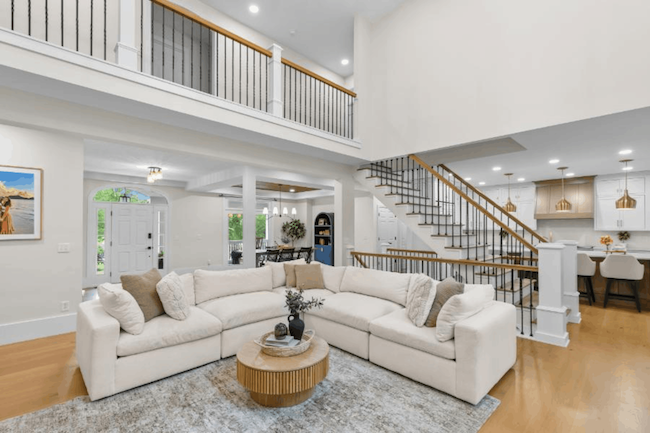
You’ve picked out paint colors and flooring tiles, and you’re prepared to finally take down that wall between the kitchen and dining room. You’re ready for renovation, but with so much to do, you’re wondering where to start.
Even with so many moving parts, whole-home renovations don’t have to feel overwhelming.
From layout decisions and building permits to sequencing and temporary living arrangements, this guide takes you step by step through the process of a whole house renovation. Keep reading to discover how to create your dream home without any unnecessary stress or rework.
What Is a Whole House Renovation?
A whole-house renovation is a large-scale project aimed at updating most, if not all, of the home at once. It includes structural and layout changes, as well as coordinated finishes throughout the home, unlike room-by-room remodeling. Whole-house renovations are common for homeowners who have outgrown their space or those who have just purchased a fixer-upper.
When Does a Whole House Renovation Make Sense?
Whole-house renovations are ideal if you’re looking to update outdated layouts or if you have a growing family. With new children or aging-in-place planning on the horizon, you want to make sure your space is working for you.
Another time whole-house renovation makes sense is when you purchase an older house in your ideal neighborhood. Remodeling these homes rather than moving is often cheaper. Plus, whole-house remodeling lets you create your dream home.
Our 10-Step Whole House Renovation Checklist
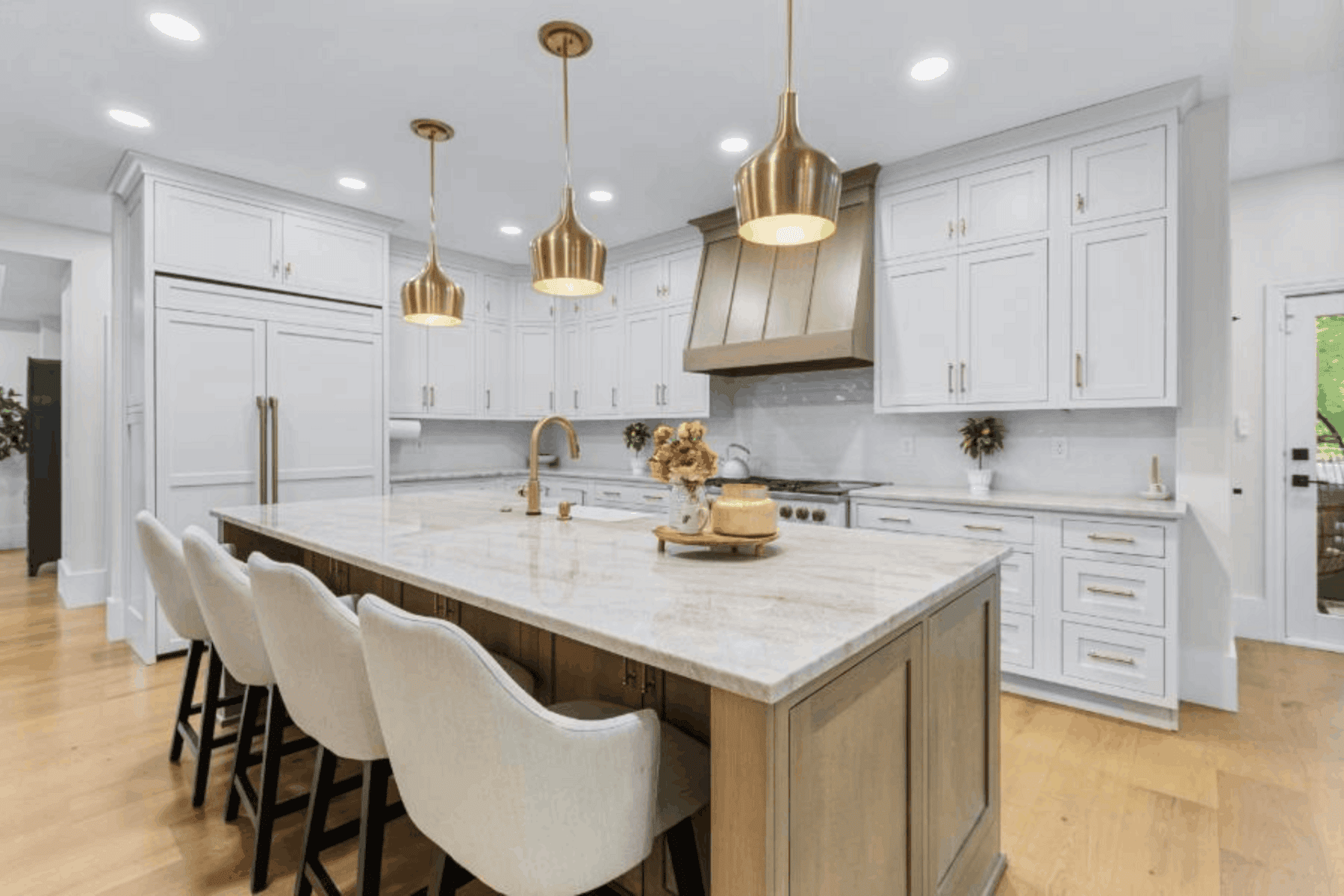
A complete home renovation can feel daunting, but following these steps will decrease stress and minimize surprise costs.
Step #1: Define Your Renovation Goals
Your renovation plan should list all the areas of your home that you hope to renovate. This should be a clear plan based on your lifestyle’s needs for your space. Specifying these adjustments will make your project easier and help you determine the best long-term benefits.
Step #2: Establish a Realistic Budget
A whole-house renovation budget is typically between $150,000 and $300,000. When budgeting, prioritize investments to keep control of the overall budget. It’s also helpful to set aside about 10% of your budget for contingency planning to cover any unexpected costs.
Step #3: Evaluate Structural and Mechanical Systems
Checking plumbing, electrical, HVAC, and even the foundation of your home for any issues is key to a smooth renovation. If these systems need to be moved or updated, it’s beneficial to know early on to plan both the budget and the home layout.
Step #4: Determine Which Layout Changes Matter Most
Now that you know the home is structurally sound, it’s time to decide on the layout. This is when you decide to invest in open-concept living, relocate your kitchen, finish your basement, or add a bathroom. These renovations are the most intensive, as they directly affect the traffic flow in your home.
Step #5: Plan Kitchens and Bathrooms Early
With a layout set, plan the details of any kitchen and bathroom renovations next. These spaces are the most expensive to renovate. They have plumbing implications and lengthy schedules due to material lead times, so it’s best to plan these rooms early and thoroughly. If a kitchen is part of your whole-home project, review the typical kitchen remodel timeline so you can account for design, ordering, permitting, and construction.
Step #6: Decide on Flooring, Finishes, and Materials
These little details are the fun part of a whole house remodel. When choosing flooring, finishes, and materials, make sure to consider durability and cohesion across the home. It is also important to consider the maintenance that these items require and how much upkeep you want to commit to.
Step #7: Understand Permits and Inspections
Permits work to guarantee your contractor’s work is done correctly and follows local housing, health, fire, and safety code compliance. For Columbus, work permits are required for plumbing, electrical, structural changes, and additions.
Step #8: Plan for Living Arrangements During Construction
Whole-house renovations usually take about three and a half months, so you may want to temporarily relocate during construction. This is for comfort and efficiency, as your home may not be livable.
It is possible to stay at home during your renovation, given it has a shorter timeline or is limited to a specific area of the house. That said, managing disruptions varies by home and homeowner, so it’s best to consider all living options during renovation.
Step #9: Finalize Design Decisions Before Construction Begins
Confirming design decisions prior to renovation makes it possible to order materials early, giving your timeline some wiggle room and helping align your project scope with your budget. This also prevents mid-renovation changes, which often cause delays due to blueprint rework and material reordering.
Step #10: Work With a Design-Build Remodeling Partner
Working with a design-build partner helps you manage the time and stress of a whole house renovation project. A trusted team will provide you with clear communication and sequencing details, as well as give accountable design and structural advice along the way.
Common Whole House Renovation Mistakes to Avoid
Upgrading your home is exciting, but without proper planning and attention to detail, homeowners often run into easily avoidable mistakes.
Mistake #1: Starting Without a Clear Scope
If you start your project making decisions on a whim, unplanned costs can be easy to come by, communication becomes muddied, and you can lose sight of your ideal finished product.
Mistake #2: Ignoring Electrical or Plumbing Updates
HVAC, electrical, and plumbing require regular maintenance. When these systems get overlooked during home remodels, it often leads to project setbacks and structural problems later on.
Mistake #3: Making Too Many Mid-Project Changes
Some mid-project adjustments are bound to happen, but too many design and material changes cause significant project delays and frustrating budget constraints.
Mistake #4: Prioritizing Aesthetics Over Function
Picking finishes and furnishings is the fun part of a whole-home renovation, but skimping on structural details and everyday considerations to get there risks leaving you unsatisfied and frustrated with your new space.
Mistake #5: Choosing the Lowest Bid Without Understanding the Process
Choosing the lowest bid can seem like a time- and budget-saver; however, communication and clarity often suffer throughout the project, and your long-term results may not be everything you pictured.
Whole House Renovation vs Moving
The Columbus market conditions are competitive. In the first quarter of 2026, the median home price is about $350,000, with 30-year fixed mortgage rates at 6.477%. Considering this and the market’s inventory limitations, renovating your current space often results in spending less on a home that fits your exact vision. Plus, a whole house renovation keeps you in the neighborhood you love.
How Long Does a Whole House Renovation Take?
Cosmetic home renovations usually take between 2 and 4 months, while full structural renovations take 6 to upwards of 12 months. This timeline is impacted by material deliveries, electric and HVAC updates, inspections, and sequencing. Your house renovation checklist helps to deliver a timeline for your remodel.
Whole House Renovations: Frequently Asked Questions
Is it cheaper to renovate a whole house or build new?
It is often cheaper to renovate your current home than to build new, as you get to design your ideal home while working with a pre-existing structure and foundation.
How much does a whole house renovation cost?
A whole home remodel typically costs between $150,000 to $300,000, depending on the depth of your renovation, structural changes, and material and finish choices.
Can you live in a house during renovations?
Yes, if your renovation is less intense or limited to one area of the home, it is possible to remain in your house during renovation.
What should I renovate first?
Kitchen updates, bathroom and bedroom additions, and layout changes should be the first items to renovate on your whole home remodeling checklist.
Is a whole home renovation worth it?
Yes! Not only do you get to design your dream home, but you get to remain in the neighborhood you love without the costs of moving.
Work With Premier Remodeling On Whole House Renovation

Fueled with inspiration? Ready to reclaim your space? Work with Premier Remodeling to transform your house into a beautiful, functional home.
