
Summary
Don’t go into your kitchen remodel blind. Our guide will explain the ins and outs of kitchen remodeling costs so you can dream up your perfect kitchen.
The dinner rush is bad enough without bruising your hip on the island corner. Or forgetting that you can only open the sink cabinet when the drawer next to your stove is also open. (Remember when that quirk was charming?) You just want to get dinner on the table without pulling out all of your hair. We get it.
Kitchen renovations are an excellent way to bring one of the most-used spaces in your home into line with your lifestyle. This guide will break down kitchen remodeling costs so you can create a budget for a long-overdue upgrade and get back to enjoying family dinners.
Average Cost of a Kitchen Remodel
Kitchen remodels offer an excellent ROI, which is great to keep in mind as you begin to budget out your dream kitchen. There’s a large spread in dollar spend for a kitchen renovation, though, and that’s mainly due to the sheer volume of things you can upgrade in a kitchen.
The average kitchen remodel today falls between $14,500 and $41,500, depending on the type of remodel you’re looking for. A minor remodel (like cabinet refacing or countertop replacement) will put you on the lower end, while a full layout change is going to require a demo wich costs more. Let’s break it down further.
Cost of a Minor Kitchen Remodel
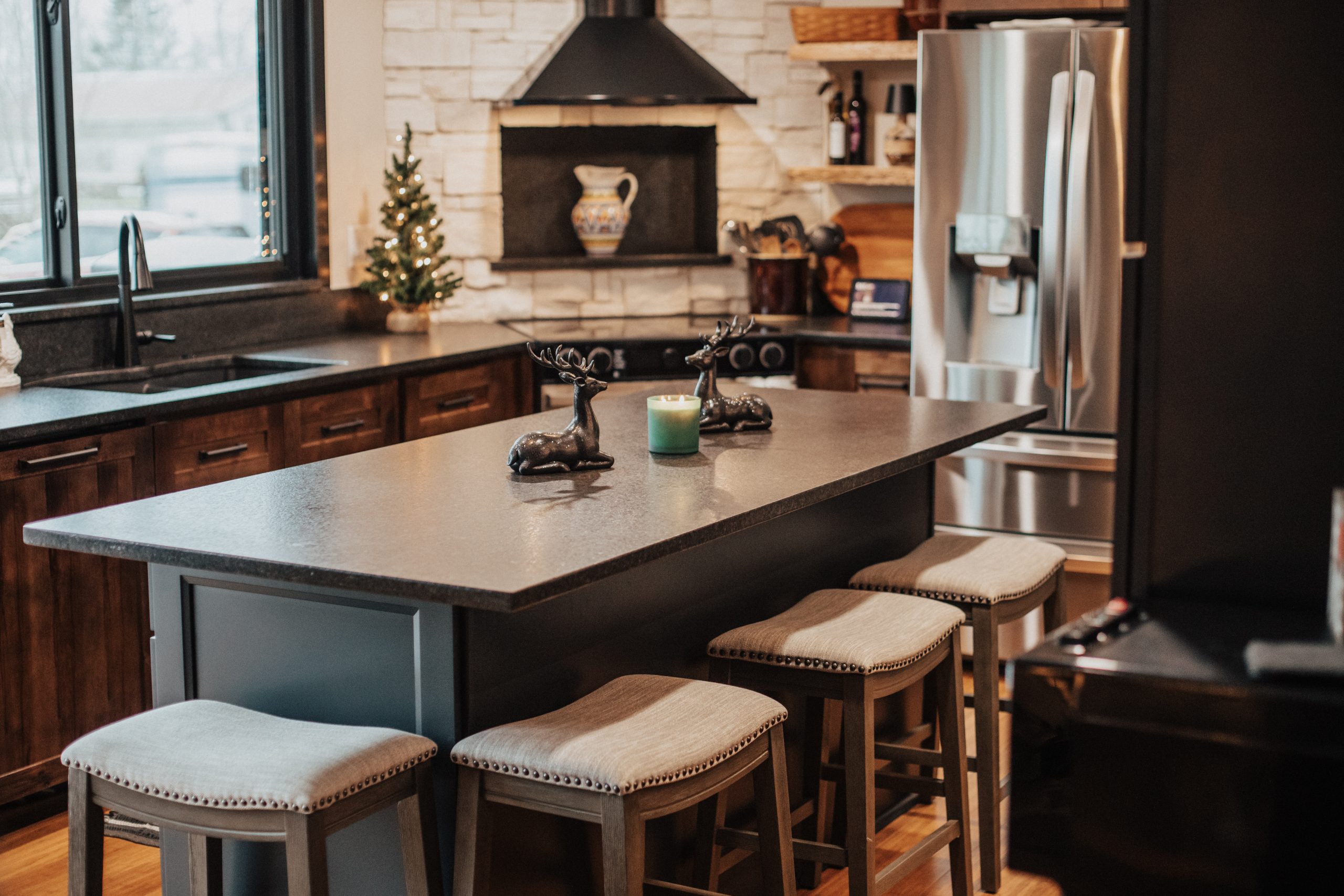
A minor kitchen remodel focuses on updating the kitchen’s aesthetics without changing how it works. This usually includes cabinet refacing, new countertops, updated hardware, and surface-level improvements. Costs stay between $10,000 and $20,000 because the existing layout, plumbing, and electrical systems remain untouched.
Cost of Full Kitchen Remodel
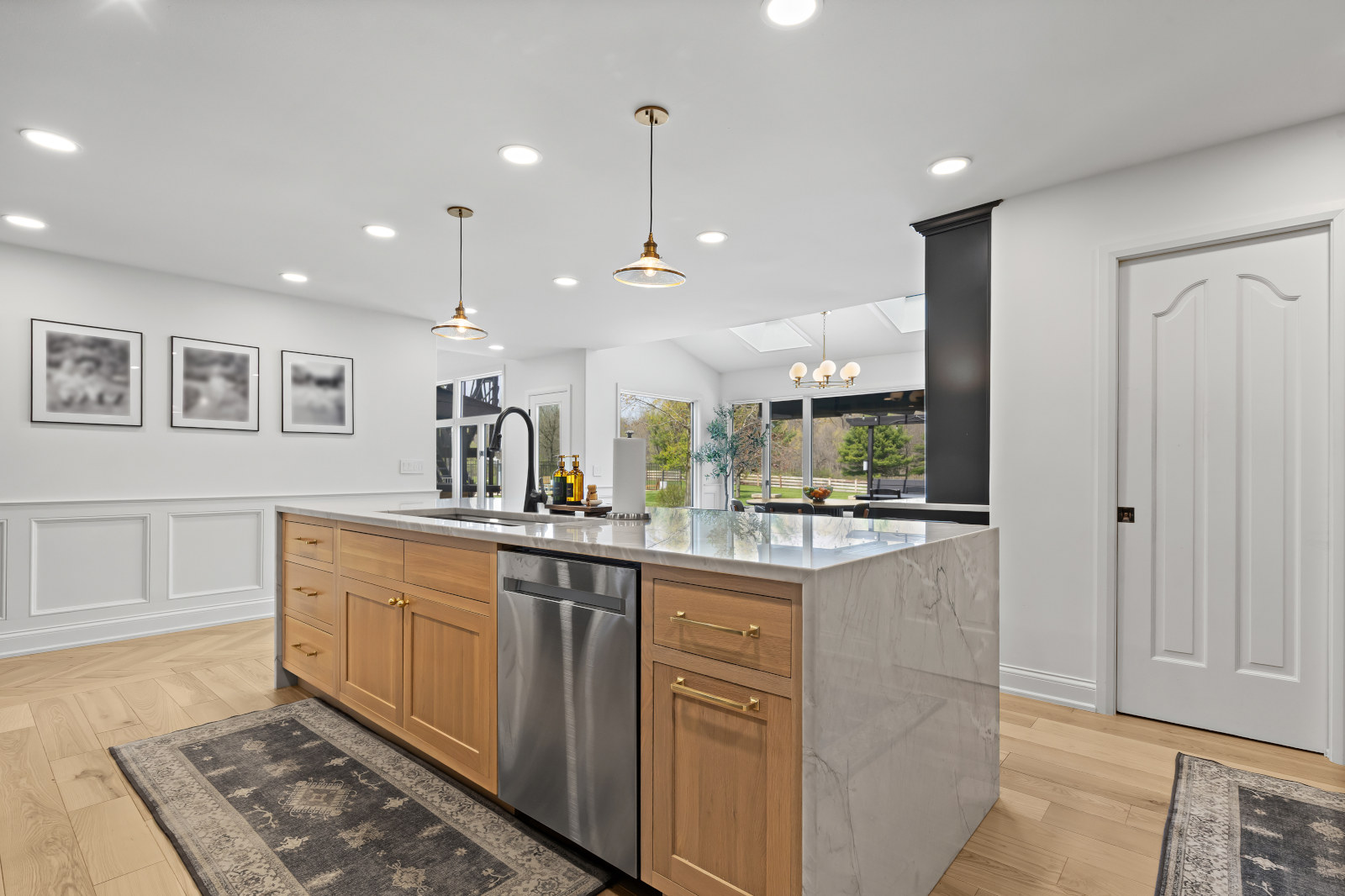
A full kitchen remodel goes beyond surface updates to include demolition, new cabinetry, and layout changes. Costs are generally between $30,000 and $130,000 because you’re usually knocking down walls, shifting waterlines, and often need electrical work completed as well.
Cost Per Square Foot
Cost per square foot varies greatly in kitchen remodels. Most projects fall between $75 and $250 per square foot, but as you can imagine, things like the scope, materials, and layout will impact that range significantly.
Cost Factors of a Kitchen Remodel
Kitchen remodeling costs change based on a few core components. Let’s look at the main factors in kitchen remodel costs:
Labor
The scope of work directly impacts labor costs. Kitchens require coordination between multiple trades working in sequence. The more changes made, the more time, planning, and labor are required.
Countertops
Countertops affect cost through material choice and fabrication requirements. Those quartz countertops you’re seeing on Pinterest? $50-$200 per square foot. Not to mention that materials like that require specialized cutting and installation. Material costs add up, but they also significantly add to your home’s overall aesthetic.
Appliances
Appliances impact cost based on size, type, and installation needs. Built-in or specialty appliances require precise electrical or plumbing work, which increases costs. It’s wise to plan these installs at the beginning of your renovation to avoid costly additional labor rates for a last-minute stove top.
Lighting
Lighting affects cost when new wiring or layout changes are involved. Upgrading from basic fixtures to layered lighting increases planning and electrical work, therefore increasing costs. Similar to countertops, the fixtures themselves can also be costly, so it’s smart to plan out the aesthetic you’re going for and shop around for exactly what you’re looking for.
Layout and Customization
Layout changes are naturally going to increase costs. Anytime you’re changing the structural system of a home (aka knocking down walls or removing islands), there’s going to be a cost factor to account for any rewiring or support systems that need to be adjusted. Layouts give you a big bang for your buck, so the added expense is often worth it.
How To Set a Realistic Kitchen Remodel Budget
As you prepare for kitchen renovations, setting a kitchen budget works best when you move step by step. Each decision builds on the one before it, which reduces surprise costs later. This process helps turn cost research into a plan you can actually follow.
Step #1: Define Your Remodel Scope
Start by clarifying how much of the kitchen will change. Are you going for an aesthetic update or a full layout change? A clear scope of work will keep your ideas on track from the start.
Step #2: Confirm Your Must-Haves vs. Nice-to-Haves
Want more than your budget can afford? We get it and see it all the time. It helps to separate what your kitchen needs from what could be optional. You know you need more space between the island and the sink, but the island-free-range stove? That’s negotiable.
Step #3: Measure the Space and Note Layout Changes
Your remodeler will be an excellent resource to you here, but taking accurate measurements at the start of your project is going to help you plan the most cost-effectively. Even small layout adjustments affect labor and material costs, so having a clear scope up front will be massively beneficial.
Step #4: Research Typical Kitchen Remodeling Costs in Your Area
Local pricing matters more than national averages. Labor availability, material access, and permitting standards vary by region. Don’t be afraid to collect quotes from several contractors in your area and compare their portfolios to get the best remodeler for your project.
Step #5: Build Your Budget by Category
Organize your budget into clear categories like cabinetry, countertops, appliances, and labor. This will show you where the bulk of your budget is going and where you might have some wiggle room to make adjustments in other categories.
Step #6: Decide Where To Invest and Where To Simplify
Remember what made you decide to remodel your kitchen in the first place, and make sure that priority is reflected in your budget spending. If you’re remodeling to have a kitchen straight out of Architectural Digest, you’re spending on aesthetics, and the materials should reflect that.
Step #7: Add a Contingency Buffer
It’s inevitable that unexpected conditions will surface once work begins. Having a buffer protects your budget from stress when plans shift. An experienced remodeler will be upfront with their suggested contingency budget, but we typically recommend 5-10%.
Step #8: Account for Permit, Design, and Project Management Costs
These costs support planning and execution, not just construction. Permits, design work, and project oversight keep your remodel organized and compliant. Including these costs upfront prevents last-minute gaps.
Step #9: Plan for Appliance and Material Lead Times
Lead times affect scheduling and storage decisions. Late arrivals disrupt progress and increase coordination costs. Planning ahead keeps the timeline steady.
Step #10: Get a Detailed Estimate Before You Commit
We provide a detailed estimate for all of our projects. This replaces assumptions with documented expectations and protects both your budget and peace of mind.
Kitchen Remodeling Costs: Frequently Asked Questions
What is a realistic budget for a kitchen remodel?
A realistic budget depends on how much of the kitchen changes and what stays in place. Kitchen remodeling costs become more precise when layout, cabinetry, and finish expectations are defined. Clear scope matters more than chasing an average price.
What is the 30% rule in remodeling?
The 30 percent rule suggests keeping renovation spending aligned with the home’s overall value. It acts as a planning reference, not a hard rule. Context, long-term plans, and how the kitchen supports daily life matter more.
Is $10,000 enough for a kitchen remodel?
A $10,000 budget supports limited updates rather than a full remodel. This level of investment usually focuses on cosmetic improvements while keeping the existing layout and major components. Structural or system changes fall outside this price.
What is the most expensive part of a kitchen remodel?
Cabinetry typically carries the largest share of kitchen remodeling costs. Cabinets affect layout, storage, and installation time. Quality, configuration, and customization all influence the overall price.
Work With Premier Remodeling, Your Trusted Kitchen Remodeler
Kitchen remodeling costs don’t need to be complicated. Premier Remodeling helps homeowners understand kitchen remodeling costs, define priorities, and move forward with confidence. Let’s get started on your kitchen remodel!